
Weekly Grab
This is my weekly compilation of photos and prompts. If you’d like to see these delivered daily to your inbox when they’re first released, including some subscriber only exclusives, consider supporting my work with a Substack subscription (also complimentary, but donations welcome). Thanks for following my curiosity journey.
Stay curious, preferably with a camera in hand.

Meaning
A logo represents more than a meaning. It strikes an emotional chord in each of us. And, probably differently. Some people like sports cars. Some people place a higher priority on utility. Some people understand the history. Most don’t. The biggest concern if we’re putting something out into the world shouldn’t be that some people don’t get it. It’s that no one will. The key then is to make it for a few. And, then find the others who feel like they do. Of course, this is the hard part because it rarely occurs in giant leaps. Rather, drip by drip. And making a pond with drips takes time, persistence and staying power.
Hang in there.

Identity
Our identity shows up in various forms. The clothes we wear, the car we drive, the work we do, the books on our shelf and the tone we use all define who we are to the world. And, almost all of it is a choice. Only our genetic and birth related predispositions are baked in. Everything else is selected by us, our parents, teachers, etc. Sometimes, we show off our choices with symbols, physical icons, trophies and mascots to pay tribute to the impact and value these experiences have had in our lives. We choose them to be seen in a certain way and to be connected to others who value the same.
I’m curious…if you had to choose one physical item to represent your identity, what would it be? What does your mascot look like? And, do you have anything which reminds you of poor outcomes, failed experiments and other significant learning moments? Those might be worth showing as well. And, they might be the ones which define us the most.

Inviting
Openness often begins with looking the part. Body language, furniture arrangement, cleanliness and tone all matter. We sometimes put up barriers without even realizing we’re telling people we’re closed and disinterested.
How can we be more inviting, more approachable? What signals can we send to indicate we’re serious?

Maintenance
Things, especially those we count on like engines, work better when they are properly maintained. Neglecting seemingly small things can lead to big problems down the road…and usually when we need it to work the most. The better choice then is to follow a maintenance schedule and to develop habits which force us to keep our engines in good working order.
The same principle applies to people. Relationships, teams, partners, and everyone we count on needs maintenance. Where can we apply some better maintenance practices to ensure optimum performance? What little things can we do regularly to ensure our systems, culture and relationships keep working?
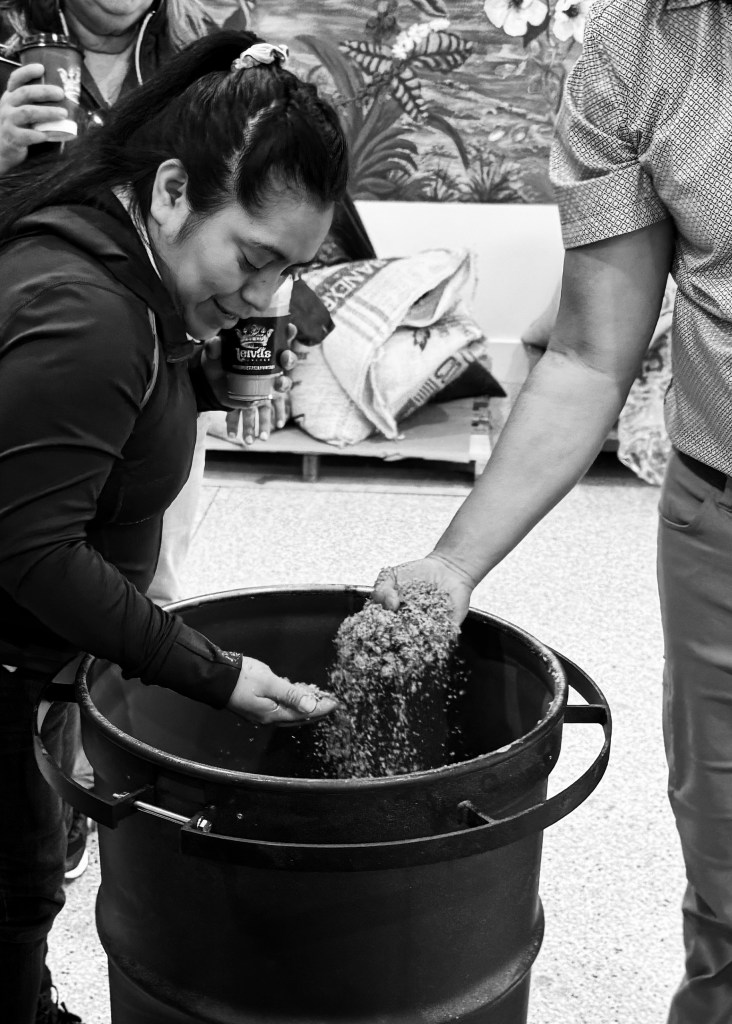
Learning
…works best when doing is a part of the process. Experiential learning is far different from the lecture variety. Seeing, tasting, feeling amplifies understanding and retention. This is why workshops and personal interaction work so much better than on-line classes.
Where can we add some more doing into our teaching and learning?

Pit Stop
We’re going faster and faster. What once took days is now expected in minutes. And, tech is feeding the monster. It’s easier than ever to get caught up in the fast pace. And while there are significant advantages to greater efficiency and quick results, the by products of compression and stress are mounting.
Breaks, refueling, pauses and repairs are needed more than ever. Just like racing, we can’t expect to keep this blistering pace without pit stops. How can we design more of them into our practice and even our free time?

Classic
Is what we’re making today going to be worth talking about in the future? Will other work be measured against it? Is it an instant classic? And perhaps more importantly, do we have the resources and know how to pull this off?
Perhaps not. And, it’s okay. We need good enough too. It’s just helpful to understand what we’re working towards.
 Get the Camera Out