
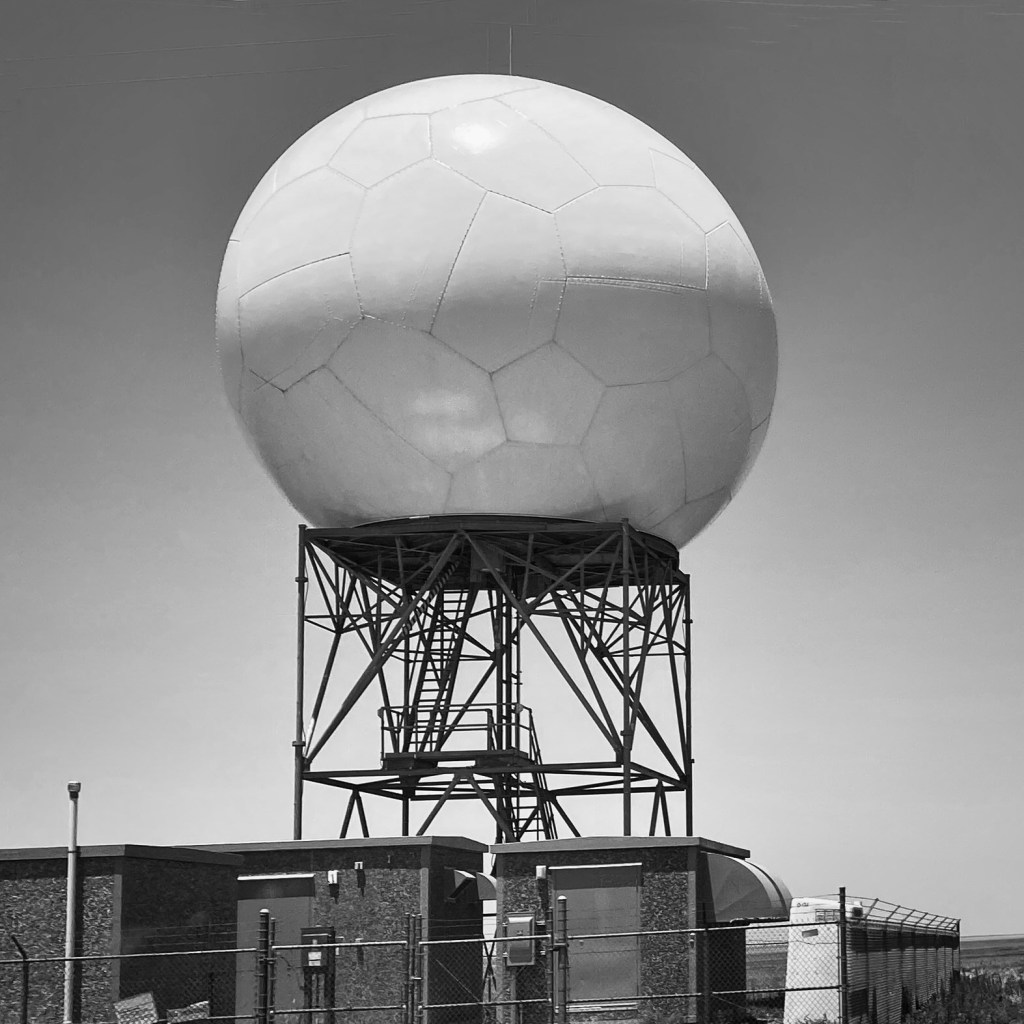
Weather forecasting has come a long way. Just two or three generations ago it was customary to seek out the Farmer’s Almanac for a long range (a year or two) forecast. Or, to simply look at the sky to attempt a prediction of the weather for later today or tomorrow. Neither method is highly accurate. But interestingly, the almanac had a better track record. Now, of course, with technology advancements, a same day prediction is highly accurate. An hourly, even more so. But, we still struggle with long-term predictions. In fact, the Farmer’s Almanac, founded in 1818, is still in use today.
Data, and more importantly the compilation of it, allows us to predict trends for the future. The more data, the more history, the more facts we can gather, the better the result. Of course, a certain outcome is never guaranteed, even for very near-term forecasts. But, notwithstanding the outlier effect, why wouldn’t we believe the prediction? Why not make decisions based on the data? Why carry an umbrella when there’s very little chance for rain?
A prediction isn’t a guarantee, it’s a possibility. It’s kind of like leadership, experimentation and trial…it might not work.
 Get the Camera Out